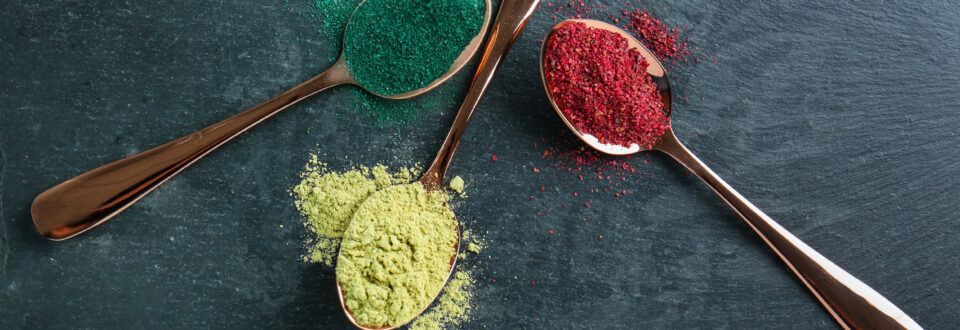
Color brings energy and emotion to food. It shapes how consumers perceive flavor, freshness, and even quality. But as clean-label demand grows, brands are reassessing their use of synthetic additives. Many are transitioning to food coloring without artificial dyes, looking to maintain the same visual impact using safe, plant-based alternatives.
The Shift from Artificial to Natural
Artificial dyes have been popular for decades due to their brightness, stability, and low cost. However, modern consumers are reading labels more carefully. Shoppers now look for phrases such as no artificial dye food coloring and dye free food coloring, especially in products for children or health-conscious households.
The shift reflects a broader industry trend: a move toward transparency, natural sourcing, and minimal processing. Brands that adapt can strengthen trust, meet retailer requirements, and stand out on shelves with simple ingredient statements.
Key Advantages of Natural Food Coloring:
-Clean-label appeal: Helps meet retailer and regulatory demands for natural ingredients.
-Transparency: Communicates plant-based sourcing clearly to consumers.
-Positive brand image: Aligns with wellness and environmental trends.
-Versatility: Available in both liquid and powder forms for many applications.
Challenges When Switching to Natural Colors
Transitioning from artificial dyes to natural pigments requires planning. Synthetic dyes often perform uniformly across formulations, while natural ingredients can vary in intensity and stability. Common challenges include:
-Color variation: Shade can shift slightly by batch or pH level.
-Heat and light sensitivity: Certain plant-based colors fade under high heat or UV exposure.
-Flavor interaction: Some pigments may impart mild natural flavors.
-Cost considerations: Extraction and sourcing can increase unit price.
These factors don’t have to limit creativity. With the right testing and supplier support, brands can achieve consistent, high-quality results while maintaining vibrant color profiles.
How to Make a Smooth Conversion

1. Identify current synthetic dyes.
List every artificial color used in your formulas. This helps match each one to a suitable natural counterpart.
2. Select plant-based replacements.
Choose options that replicate the tone and intensity of your existing colors. For example, use beet for red, annatto for orange, turmeric for yellow, and spirulina for blue.
3. Test in real application conditions.
Color stability depends on pH, fat content, temperature, and light exposure. Pilot batches ensure predictable outcomes.
4. Adjust concentration and blending.
Natural pigments may require different dosage levels. Blending multiple sources can achieve complex shades without synthetic dyes.
5. Partner with a trusted supplier.
Gillco offers technical support, application testing, and consistent quality across its natural food coloring vs artificial solutions. Working with a reliable partner ensures performance, compliance, and a streamlined transition.
Maintaining Visual Appeal
The most common concern in switching to dye free food coloring is color loss or dullness. Today’s extraction and stabilization technologies solve much of this. Natural colors can now achieve strong saturation and shelf stability across beverages, snacks, confections, and dairy.
Some strategies to preserve vibrancy include:
-Encapsulation: Protects color molecules from oxidation and heat.
-pH control: Maintains hue consistency in acidic or neutral formulations.
-Oxygen and light barriers: Use appropriate packaging to reduce fading.
-Smart blending: Combining two natural pigments can create deeper, longer-lasting tones.
When handled properly, the results are often indistinguishable from synthetics and more appealing to label-conscious shoppers.
The Clean-Label Payoff
Switching to food coloring without artificial dyes is not just a formulation change—it’s a marketing advantage. Consumers actively seek brands that prioritize safety, simplicity, and sustainability. Using all natural food coloring supports those values while keeping products visually attractive.
Partnering with Gillco means access to a broad palette of plant-derived colors, from rich reds and yellows to greens and purples. Each is designed for consistent performance across food and beverage categories, backed by reliable sourcing and technical guidance.
Final Thoughts on Food Coloring without Artificial Dyes
The transition from artificial dyes to natural pigments is a key step in building a cleaner, more transparent brand. By understanding the differences in natural food coloring vs artificial, formulating with care, and leveraging expert support, brands can achieve vibrant results that resonate with modern consumers. With Gillco’s help, you can create dye free food coloring solutions that maintain visual appeal while meeting the growing demand for no artificial dye food coloring across every product line.