
A Guide to Natural Food Coloring: How to Use All Natural Colors from Plants for Dye-Free Foods
Color does more than make food attractive: it shapes perception and influences taste expectations. Yet today’s shoppers are scrutinizing ingredient labels and looking for cleaner alternatives. Synthetic dyes are falling out of favor, replaced by natural food coloring solutions that meet the demand for transparency and wellness.
Why Food Brands Are Moving to All Natural Coloring
Artificial dyes have long offered bright, stable shades, but many consumers now seek no artificial dye food coloring. Concerns about synthetic additives, a rise in clean-label buying, and retailer requirements are pushing manufacturers to reformulate.
Switching to all natural food coloring helps brands build trust and keep pace with labeling trends such as dye free and made with natural colors from plants. It is also a smart response to customer demand for foods that feel safe, sustainable, and minimally processed.
View our guide to
The Plant-Based Palette: Sources of Natural Colors
Nature provides a surprisingly broad color range. Gillco’s natural color portfolio includes liquid and powder formats, with conventional and certified organic options. These colorings come from a wide variety of plant and natural sources such as:
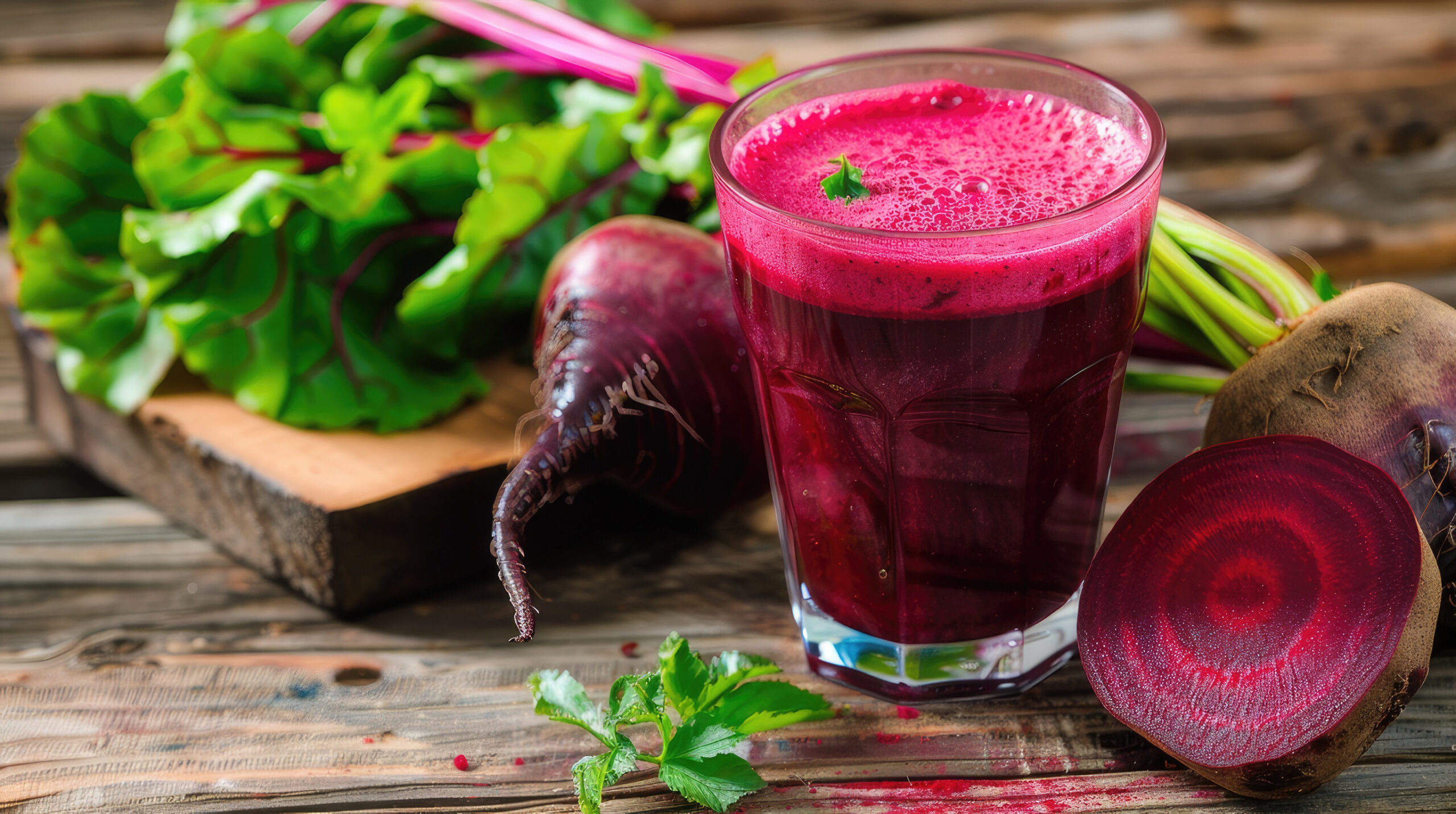
–Red and pink: Beet juice, black carrot, grape skin, radish, and cochineal for deep or bright reds.
–Orange and yellow: Annatto, paprika, carrot oil, and turmeric for warm golden hues.
–Green: Spinach and spirulina for natural greens in beverages and snacks.
–Blue and purple: Purple sweet potato and jagua fruit for cool shades.
–Brown and caramel: Food-based carbohydrates and apples for rich earthy tones.
These natural pigments allow food manufacturers to replace artificial dyes while maintaining visual appeal. Gillco sources ingredients responsibly and emphasizes consistent color quality.
Application Across Food and Beverage Categories
Gillco’s natural colors from plants work across an extensive range of applications:
-Beverages: Fruit- and vegetable-derived colors perform well in juices, energy drinks, teas, and alcohol alternatives.
-Confectionery: Spirulina, beet, and annatto create playful shades for gummies, hard candies, and coatings.
-Dairy and plant-based dairy: Yogurt, ice cream, and alternative milks benefit from stable, gentle coloring.
-Bakery and snacks: Turmeric and paprika enhance chips, crackers, cereals, and frostings.
-Savory foods: Sauces, soups, seasonings, and ready meals gain vibrant, label-friendly tones.
-Pet food and nutraceuticals: Plant pigments add natural appeal in treats and supplements.
Choosing the right format, powder or liquid, ensures better integration into each product type.
Tips for Working With Natural Colors
Plant-based colors behave differently than synthetic dyes, so a few formulation tips help achieve the best results:
-Mind pH: Certain colors, like red cabbage extract, change hue depending on acidity.
–Protect from heat and light: Some natural pigments fade under high temperatures or UV exposure. Add colors later in the process when possible and use protective packaging.
-Test small batches: Trial runs reveal how a specific base recipe affects hue and stability.
By understanding these characteristics, food developers can produce vibrant, stable products without synthetic dyes.
Supporting the Clean-Label Movement
Consumers want ingredient transparency, and food labels featuring dye free food coloring or “made with all natural food coloring” stand out on crowded shelves. Gillco helps manufacturers achieve this by offering reliable, safe, and sustainably sourced pigments.
The company partners with global ingredient innovators to provide natural color solutions that meet strict food safety and performance standards. This ensures consistent supply and uniform color, even at scale.
Innovation and the Future of Natural Food Coloring
The natural color industry continues to advance quickly. Improved extraction methods and stabilization technologies are delivering brighter, more heat- and pH-stable pigments. As a result, the gap between synthetic and natural performance keeps shrinking.
Brands adopting natural color systems now will be well positioned as regulations tighten and consumer preference for simple, recognizable ingredients grows stronger. Gillco’s expanding portfolio makes it easier for manufacturers to meet these evolving demands while staying true to clean-label principles.